The First Conversation
When you first get in touch, a good DJ will want to understand the event before they quote you. Expect to be asked about the date, the venue, how many guests, what kind of music you're after and roughly how long you need them. This isn't just admin — it's how a professional DJ starts tailoring the experience to you.
Be as specific as you can. "I want upbeat music" tells a DJ very little. "I want 90s R&B, some house classics and no slow songs before midnight" gives them something to work with.
Building the Playlist — It's Easier Than You Think
You don't need to build a full playlist yourself — that's what the DJ is for. But a few pointers go a long way. The easiest approach is to create a playlist on Spotify, Apple Music, Amazon Music or Tidal with songs you love and share it with your DJ. It doesn't need to be exhaustive — even 20 or 30 songs gives a clear picture of your taste and the energy you're going for.
Equally useful is a short "do not play" list. If there are artists or songs that would clear the floor for your crowd, say so upfront. A good DJ will respect it without question.
Beyond that, trust the DJ to fill in the gaps. Reading a room and knowing what to play next is a skill built over years — let them use it.
On the Day — What Actually Happens
A professional DJ will always arrive early — typically an hour or more before guests arrive. Setup takes time: speakers, lights, DJ booth, sound checks. You should never have a situation where the DJ is still setting up when guests walk in.
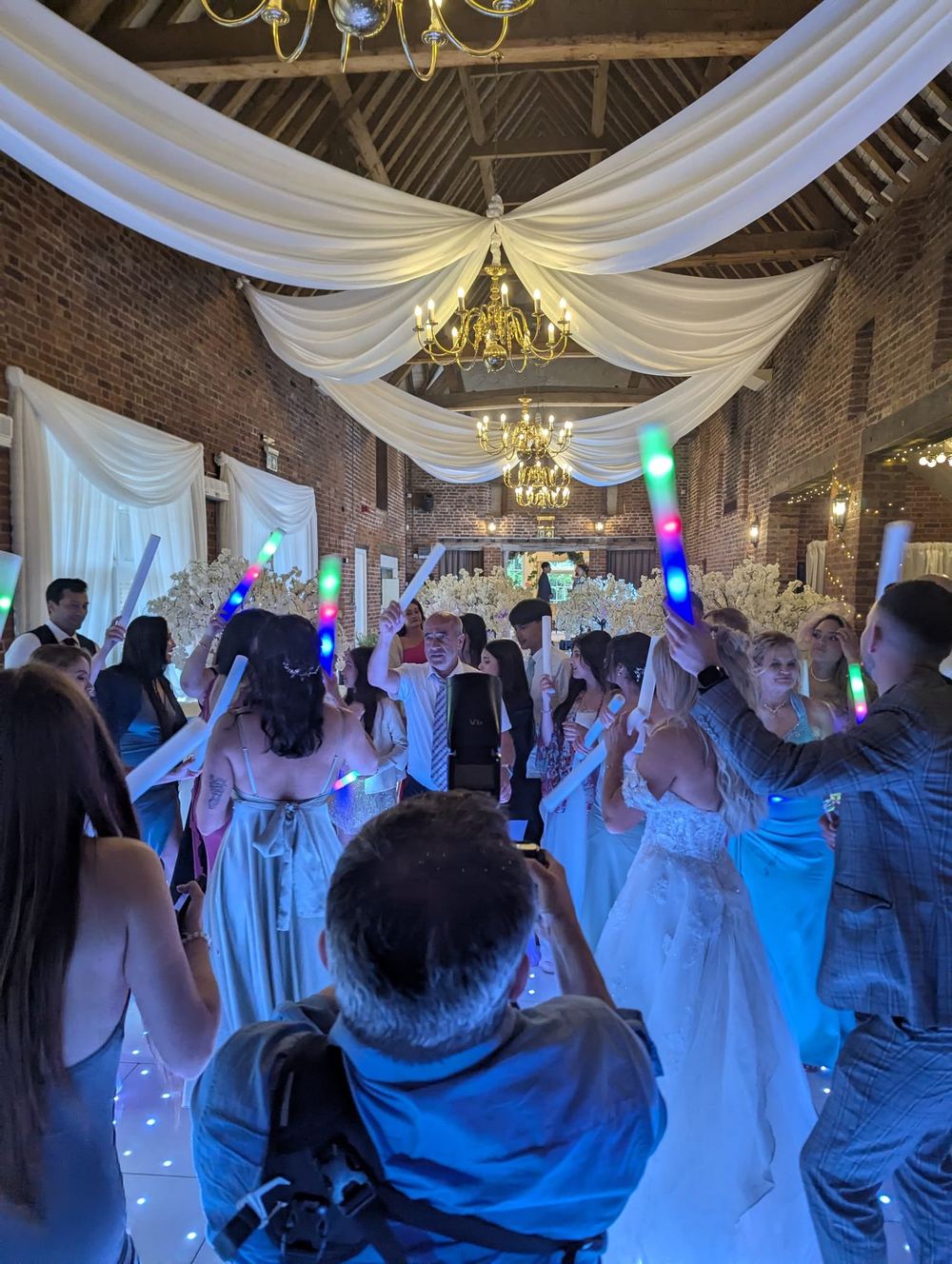
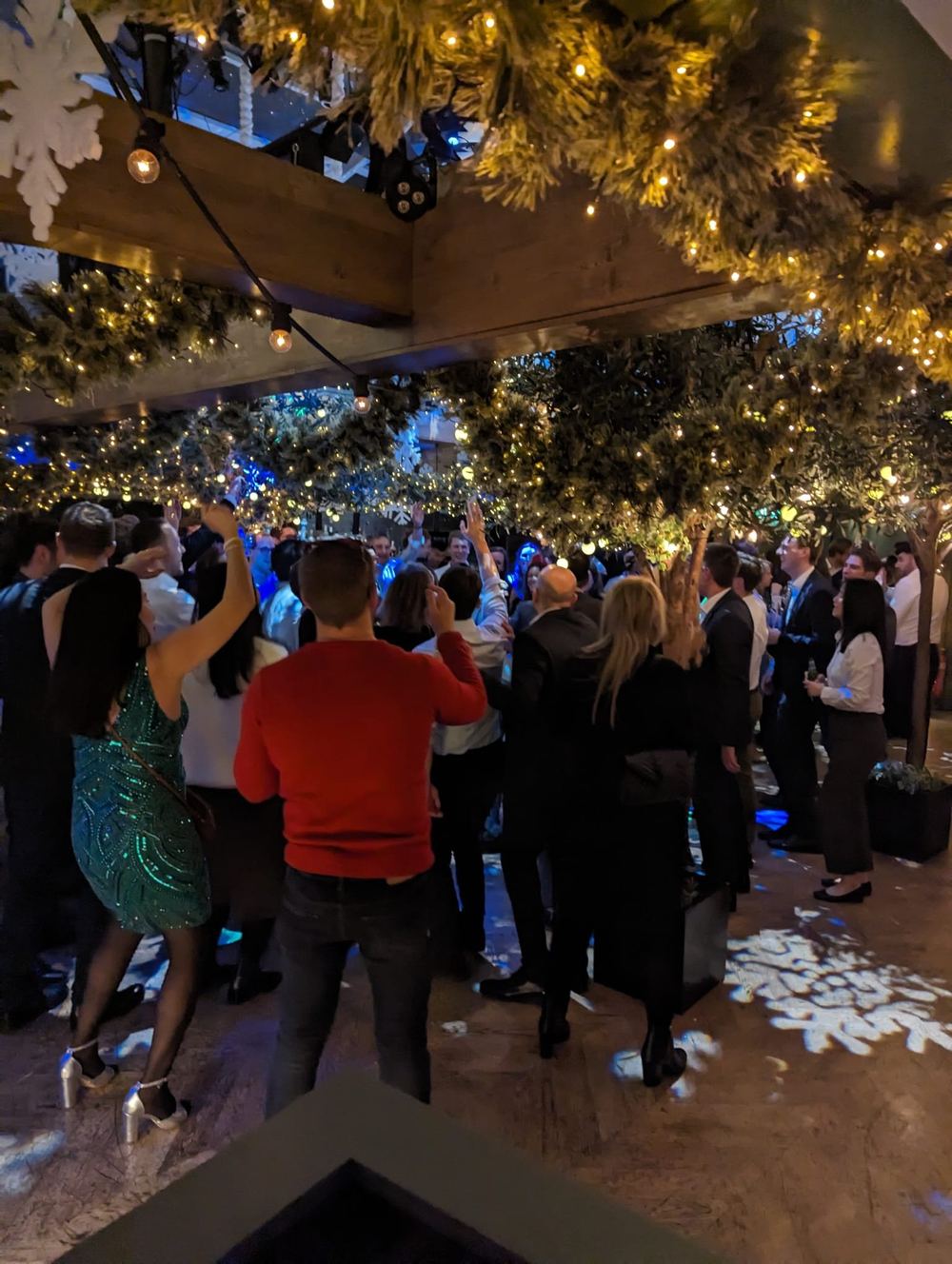
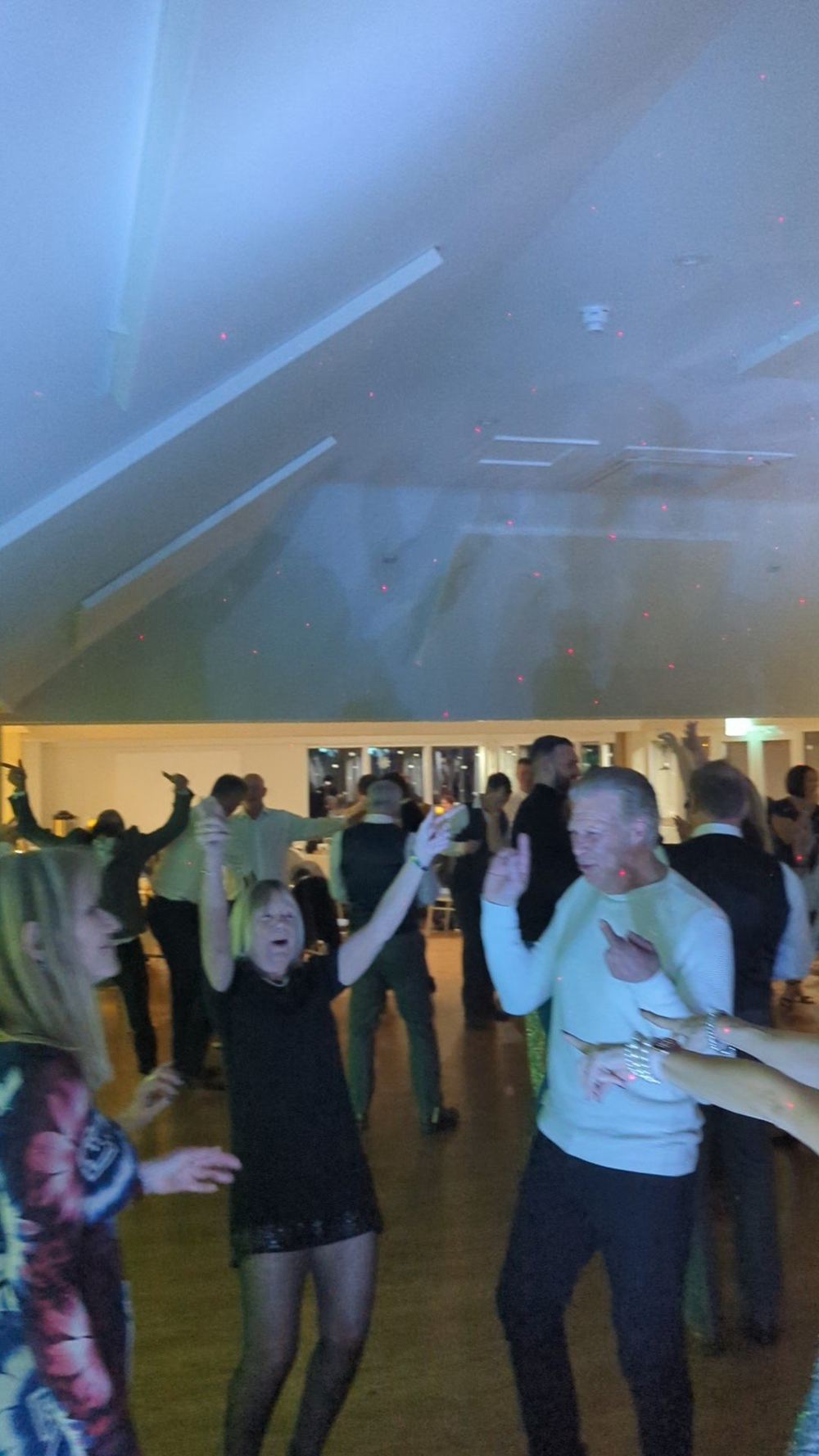
Once the party starts, your DJ's job is to read the room continuously. The energy shifts through the night — early on people are chatting, later they want to dance. A good DJ moves with those shifts naturally, without being told.
Taking Requests on the Night
Most DJs are happy to take requests — and it's one of the best parts of a private party. When a guest makes a request and hears it played twenty minutes later, that's a moment. It makes people feel part of the night.
The DJ's skill is in weaving requests into the set smoothly, so it doesn't feel disjointed. Not every request will make the cut — if someone asks for something that would kill the mood, a good DJ will find a tactful way to handle it — but the spirit of taking requests should always be there.
Equipment — Do You Need to Worry About It?
Generally, no. If your DJ is bringing their own equipment (speakers, lights, booth), they take care of everything. The only thing worth checking in advance is whether your venue has any restrictions — some venues don't allow certain types of lighting, or have noise limiters that cap the volume at a certain level. Worth finding out before the night so there are no surprises.
If the venue already has a sound system, let your DJ know — they may just need to bring their own CDJs or controller and plug into the existing setup, which is simpler for everyone.
The End of the Night
When the music stops, a professional DJ packs down efficiently and quietly. You shouldn't be chasing them out — they know the drill. The only thing you need to do is make sure they have access to where they parked or loaded in, and a point of contact if anything comes up during the night.
The best private parties feel effortless from the host's perspective. A great DJ makes that happen by handling everything on their end so you can actually enjoy your own event.